
Follow the Festivals

Rio Carnival

Rio Carnival

Rio de Janeiro, Brazil

2027-02-05 - 2027-02-13

The Story

Festival Overview

Rio Carnival rarely unfolds according to the itinerary you imagined before arriving. The day may begin with a plan to visit one bloco or watch one parade, but before long the distant sound of samba drums pulls you down another avenue, a growing crowd changes your direction, and one celebration naturally leads to the next. Rio moves with a confidence that feels almost effortless, carrying millions of residents and visitors through neighborhoods that seem to breathe to the same rhythm. Instead of chasing Carnival, you gradually discover that Carnival has already swept you into its current.

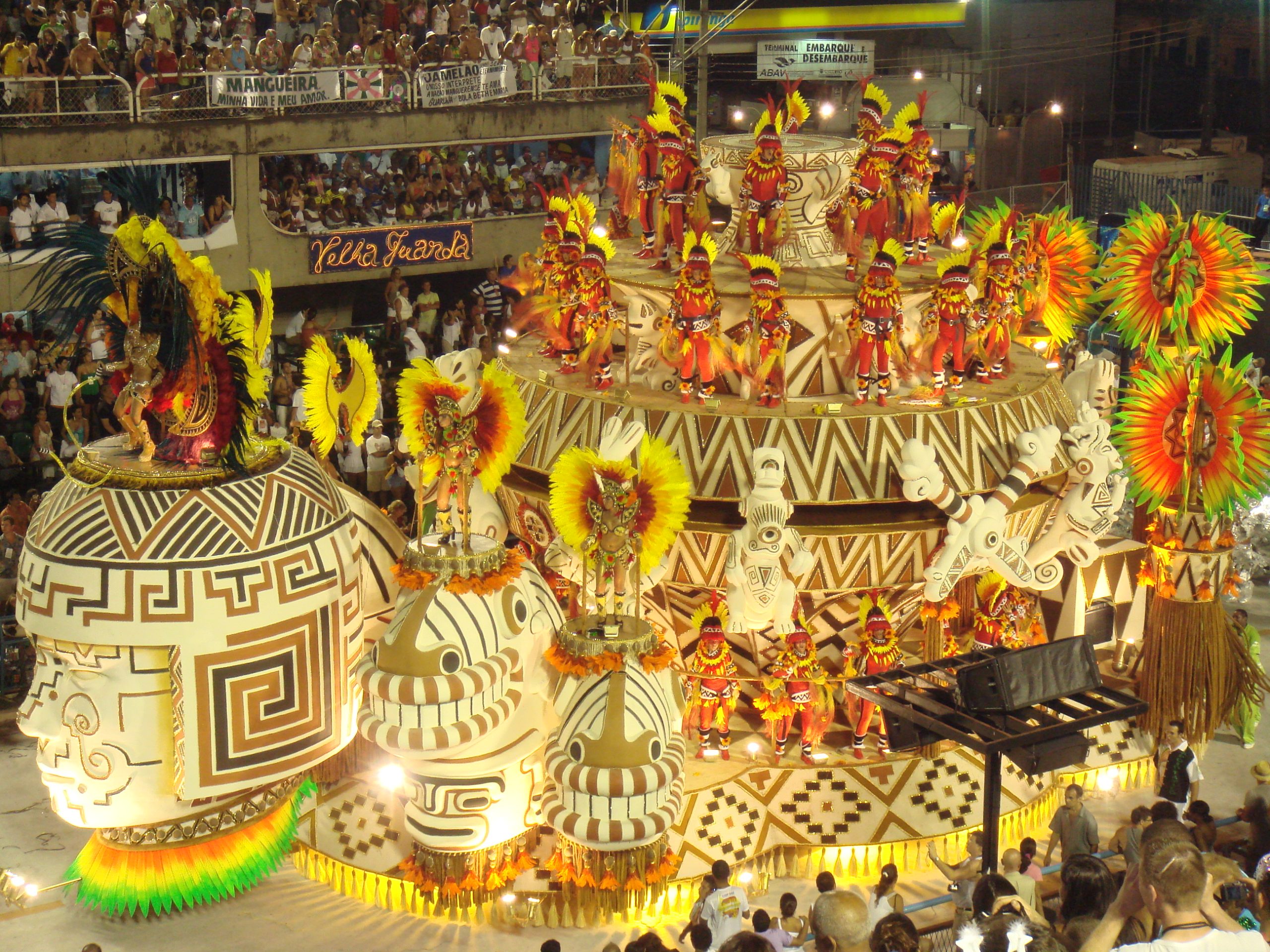
Across Rio de Janeiro, the festival reveals two equally compelling expressions of celebration. Inside the Sambadrome Marquês de Sapucaí, the city's legendary samba schools transform months of preparation into extraordinary nights of music, choreography, craftsmanship, and competition before enormous crowds. Beyond the grandstands, hundreds of blocos spill through Centro, Copacabana, Ipanema, Santa Teresa, and countless other neighborhoods, where drums echo between buildings, costumes appear around every corner, and entire streets become moving celebrations. Together they create a festival that is both meticulously organized and wonderfully spontaneous.

What makes Rio Carnival unforgettable is the way movement becomes part of the experience. Every new rhythm encourages another step forward, every neighborhood offers another celebration waiting just beyond the next intersection, and every encounter seems to invite one more hour before calling it a night. Visitors arrive expecting spectacular parades and famous beaches. They leave remembering how completely the city carried them from one remarkable moment to the next.

Why This Festival Is Special

Rio Carnival is often described through its scale, and for good reason. Millions of people fill the city's streets while the world's greatest samba schools compete inside the Sambadrome in performances that combine music, dance, costume design, storytelling, and astonishing craftsmanship. Yet numbers alone cannot explain why Rio feels unlike any other celebration.

The festival's defining quality is its momentum. Every part of the city seems connected by music that constantly draws people onward. A bloco finishes just as another gathers nearby. Beachfront celebrations flow naturally into neighborhood gatherings. Afternoon rhythms become evening processions before eventually giving way to the breathtaking spectacle of the Sambadrome, where samba schools transform years of preparation into unforgettable performances that continue deep into the night.

Rio also celebrates participation without demanding performance. Visitors are never expected to know every lyric, every dance step, or every Carnival tradition before joining the festivities. The city simply asks them to follow the music, respect the communities hosting each celebration, and allow themselves to become part of an atmosphere that belongs equally to longtime Cariocas and first-time travelers. Somewhere along the way, the distinction between observer and participant quietly disappears—not because anyone invites you directly, but because the rhythm itself leaves little reason to stand still.

Festival Experience

What to Expect

Carnival mornings often begin more gently than visitors expect. Cafés gradually fill, beaches stretch awake beneath the sun, and neighborhoods recover from celebrations that continued long into the previous night. Then, almost without warning, drums begin echoing through nearby streets. Costumes appear in growing numbers, music gathers momentum, and small groups steadily transform into moving rivers of people heading toward the day's first bloco.

By afternoon, Rio seems to move as one enormous celebration. Blocos weave through Centro, Copacabana, Ipanema, and surrounding neighborhoods, drawing residents and visitors into constantly changing crowds where samba rhythms, elaborate costumes, laughter, and spontaneous dancing replace any sense of fixed destination. Rather than remaining in one place, the festival encourages movement. One procession naturally leads toward another, with beaches, cafés, plazas, and side streets becoming temporary stages along the journey.

As darkness falls, attention gradually shifts toward the Sambadrome, where Carnival's extraordinary theatrical expression reaches its peak. Towering floats, dazzling costumes, precision percussion sections, and thousands of samba school performers create performances unlike anything else in the world. Yet even after the final parade passes, Rio continues moving. Music spills into nearby neighborhoods, conversations extend late into the night, and visitors often find themselves following one last rhythm before finally deciding the city has carried them far enough for one unforgettable day.

Festival Highlights

  • Sambadrome samba school parades where music, choreography, costume design, and extraordinary float craftsmanship turn the night into Rio Carnival's grandest theatrical expression.
  • Centro blocos that gather momentum block by block as percussion, costumes, and dancing transform historic streets into moving celebrations.
  • Copacabana and Ipanema beachfront gatherings where Rio's coastal identity blends naturally with Carnival's music and motion.
  • Lapa and Santa Teresa celebrations that carry neighborhood character into the night through samba, street performance, and spontaneous movement.
  • The contrast between the precision of the Sambadrome and the free-flowing energy of the street blocos.
  • The constant sense that one distant drumline, gathering crowd, or unexpected procession can redirect the entire day.

Getting There & Around

Where It Happens

Rio Carnival is experienced as a city in motion rather than a destination with clear boundaries. The Sambadrome Marquês de Sapucaí provides the festival's grand theatrical stage, where the world's greatest samba schools present performances refined over an entire year. Yet beyond the Sambadrome, Carnival spreads naturally across Rio de Janeiro through an ever-changing network of blocos, neighborhood celebrations, beachfront gatherings, plazas, and historic streets that together create one continuous flow of music and celebration.

Centro provides many of the city's largest daytime blocos, where narrow streets fill with percussion, dancing, and elaborate costumes that seem to gather momentum with every block. Along Copacabana and Ipanema, Carnival blends seamlessly into Rio's beach culture, allowing visitors to drift between the shoreline and nearby celebrations without ever feeling they have left the festival behind. Santa Teresa, Lapa, Flamengo, Botafogo, and dozens of surrounding neighborhoods contribute their own atmosphere, ensuring that every part of the city adds another expression of Carnival rather than repeating the same experience.

What surprises many first-time visitors is how naturally one celebration leads to another. A distant drumline encourages a change of direction. A gathering crowd reveals another bloco forming just ahead. Conversations with locals introduce neighborhoods that were never part of the original plan. Rio does not ask visitors to navigate Carnival as much as it quietly carries them through it, allowing the city's rhythm to become the day's most reliable guide.

Getting Around

The most rewarding way to experience Rio Carnival is to move with the city rather than constantly trying to stay ahead of it. Public transportation, particularly the MetroRio system, provides the fastest connection between major Carnival districts, while walking becomes the natural choice once you arrive within a neighborhood. Streets frequently close for blocos and parade activity, making flexibility far more valuable than rigid schedules.

Instead of attempting to cross Rio several times in a single day, choose one part of the city and allow the surrounding celebrations to unfold naturally. A morning in Centro can easily become an afternoon following blocos toward Lapa, just as a day beginning along Copacabana Beach may gradually lead toward Ipanema without ever feeling planned. The less time spent chasing specific locations, the more opportunity there is to experience the festival's remarkable momentum.

Travel to and from the Sambadrome deserves additional planning, particularly on the major parade nights when thousands of spectators arrive and depart within similar timeframes. Leave earlier than necessary, expect slower journeys after the final samba schools perform, and carry only essential belongings throughout the day. Rio Carnival rewards visitors who allow extra time, travel lightly, and embrace the city's natural rhythm instead of resisting it.

Visitor Guide

Festival Food & Drink

Carnival in Rio is fueled as much by neighborhood food culture as by samba itself. Long before the evening parades begin, cafés, beach kiosks, bakeries, and street vendors become gathering places where residents and visitors pause between celebrations, escaping the afternoon heat while preparing for the next wave of music. Eating is rarely a formal interruption to the day. Instead, meals become brief moments of recovery before the city's energy pulls everyone forward again.

Traditional Brazilian dishes provide exactly the kind of comfort Carnival demands. A generous serving of feijoada offers lasting energy before an evening at the Sambadrome, while pão de queijo, grilled street snacks, tropical fruit, and fresh coconut water make ideal companions during long afternoons following blocos through the city. Along the beaches, simple seafood dishes, chilled drinks, and fresh juices naturally become part of Rio's relaxed coastal rhythm before celebrations gather momentum again.

As night falls, restaurants throughout Copacabana, Ipanema, Lapa, and Centro fill with conversations about the day's bloco discoveries and anticipation for the performances still ahead. Whether enjoying traditional Brazilian cuisine or simply grabbing something quick before another parade, food becomes another reminder that Carnival moves through neighborhoods rather than existing apart from them.

Must Try

• Feijoada — Brazil's celebrated black bean and pork stew, traditionally enjoyed before long Carnival evenings and one of Rio's defining comfort foods.
• Caipirinha — Brazil's iconic cocktail of cachaça, lime, sugar, and ice, best enjoyed responsibly after the day's busiest celebrations.
• Fresh Coconut Water — Served directly from chilled green coconuts, providing welcome refreshment during Rio's hot Carnival afternoons.
• Churrasquinho — Grilled skewers of seasoned meat prepared by street vendors throughout the city, offering quick, satisfying meals between celebrations.
• Pão de Queijo — Warm Brazilian cheese bread with a crisp exterior and soft, chewy center, perfect for breakfast or an afternoon snack while moving between neighborhoods.

Budget & Costs

Rio Carnival offers remarkable flexibility, allowing visitors to shape the experience around almost any travel budget. Many of the city's most memorable celebrations—particularly the blocos that wind through neighborhoods across Rio—remain completely free to attend. Days filled with music, dancing, beaches, and neighborhood celebrations often require little more than transportation, food, and comfortable walking shoes.

The largest expenses usually come from accommodations and Sambadrome tickets. Hotels in Copacabana, Ipanema, and neighborhoods closest to the main Carnival activities command premium prices during the festival, while reserved seating for the famous samba school parades ranges from accessible grandstands to premium hospitality experiences. Booking accommodations well in advance provides the greatest flexibility and often the best value.

Many experienced Carnival visitors combine both worlds: enjoying free neighborhood blocos throughout the day before choosing one unforgettable evening inside the Sambadrome. That balanced approach captures both the spontaneous spirit of Rio's streets and the extraordinary spectacle of its world-famous samba competition without requiring every day to become a premium-ticket experience.

Tips for First-Time Visitors

Allow Rio to surprise you. Planning one or two priorities each day provides useful structure, but the city's greatest Carnival moments often happen unexpectedly—a bloco you never intended to follow, a neighborhood celebration recommended by a local, or a street performance that convinces you to change direction entirely. Leave room in the schedule for those discoveries.

Choose one area of Rio at a time instead of trying to experience the entire city in a single day. Centro, Copacabana, Ipanema, Lapa, and Santa Teresa each offer distinct personalities, and spending meaningful time within one neighborhood usually creates richer memories than constantly traveling between them.

Travel lightly, stay hydrated, use secure bags for valuables, and wear comfortable footwear capable of handling long hours on your feet. Above all, follow the rhythm rather than the clock. Rio Carnival is one of the rare festivals where the best experiences often begin the moment you stop trying to control the day and allow the city to carry you toward whatever celebration comes next.

Safety

Rio Carnival is joyful, welcoming, and remarkably energetic, but its scale makes thoughtful planning essential. Keep valuables secure and carry only what you genuinely need, particularly when moving through crowded blocos where dense gatherings naturally create opportunities for pickpocketing. A secure cross-body bag, limited cash, and keeping phones out of sight when not in use help visitors focus on the celebration rather than unnecessary distractions.

Heat can become just as significant as the crowds. Rio's summer temperatures, long walking distances, and hours spent dancing or following neighborhood celebrations make regular hydration and occasional breaks in the shade especially important. Fresh water, sunscreen, comfortable footwear, and pacing yourself throughout the day allow Carnival's remarkable energy to remain enjoyable from morning into the night.

Plan transportation before leaving for major evening events, especially Sambadrome parade nights, when thousands of spectators depart simultaneously after the final performances. Traveling with companions, agreeing on meeting locations, and remaining aware of changing street closures all contribute to a smoother experience. Rio Carnival moves with extraordinary momentum, and visitors who prepare well are free to relax and enjoy being carried along by one of the world's greatest celebrations.

Cultural Significance

Rio Carnival is one of the world's most influential public celebrations, but its significance extends far beyond spectacle. At its heart, Carnival is an expression of Brazilian identity shaped by centuries of cultural exchange, where African rhythms, Portuguese traditions, Indigenous influences, and the creative energy of Rio de Janeiro have combined to produce a festival unlike any other. Music, dance, costume design, visual storytelling, and neighborhood pride all converge during Carnival, transforming the city into a living celebration of Brazil's cultural diversity.

The internationally famous samba school parades represent the festival's most recognizable face, yet they are only one part of Carnival's broader cultural landscape. Each samba school reflects the dedication of thousands of community members who spend the year designing floats, composing music, creating costumes, rehearsing choreography, and preserving traditions that stretch across generations. Their performances inside the Sambadrome celebrate artistry at the highest level while remaining deeply rooted in the neighborhoods that created them.

Beyond the formal competition, hundreds of blocos reveal Carnival's equally important community spirit. Organized by neighborhoods, musicians, and local organizations, these moving street celebrations invite people from every background to share public spaces through music and dance. Together, the Sambadrome and the blocos demonstrate that Rio Carnival is both extraordinary performance and everyday community life. The festival succeeds because it allows world-class artistry and spontaneous public celebration to exist side by side, creating one of the clearest expressions of Rio de Janeiro's creativity, resilience, and joyful spirit.

Plan Your Journey

When to Go

Rio Carnival is best experienced as a progression rather than a single event. Arriving several days before the busiest parade nights allows visitors to discover how the city's energy gradually builds, beginning with neighborhood blocos that grow larger each day before reaching the spectacular climax of the Sambadrome performances and Fat Tuesday celebrations. Experiencing that steady rise makes Carnival feel less like a series of scheduled events and more like a city gradually finding its full rhythm.

The central Carnival weekend offers the broadest range of experiences. Daytime blocos fill neighborhoods across Rio while evenings belong to the celebrated samba school competitions inside the Sambadrome Marquês de Sapucaí. Visitors can balance spontaneous street celebrations with ticketed performances, allowing each to deepen appreciation for the other. Fat Tuesday provides the festival's emotional peak, as celebrations spread across beaches, plazas, neighborhoods, and historic streets before Carnival slowly begins releasing its momentum.

Leave time beyond the headline events. Watch the city awaken after a late parade night, enjoy breakfast overlooking Copacabana, linger at a neighborhood café before following another distant drumline, or simply allow yourself to wander without a destination. Rio Carnival is remembered as much for the moments between scheduled celebrations as for the famous events themselves, because those quieter transitions reveal how completely the city embraces Carnival as part of everyday life.

Where to Stay

Choosing accommodations in Rio is less about finding the city's center than deciding which rhythm you want to experience most often. Copacabana remains one of the most popular choices for first-time visitors, combining beach culture, excellent transportation, and easy access to many Carnival activities while providing a lively atmosphere long after the day's celebrations have ended. Nearby Ipanema offers a similarly appealing base with a slightly more relaxed neighborhood character and convenient connections to other Carnival districts.

Visitors whose priority is attending the Sambadrome often appreciate staying closer to Centro or neighborhoods with direct MetroRio access, reducing travel time before and after the spectacular samba school performances. Lapa places travelers near one of Rio's most celebrated nightlife districts, while Santa Teresa rewards those seeking historic charm and panoramic views within a neighborhood that embraces Carnival through its own distinctive traditions.

Wherever you choose to stay, reliable transportation matters more than absolute proximity. Rio Carnival constantly encourages exploration, and accommodations with convenient metro access often prove more valuable than attempting to stay beside every celebration. A comfortable base allows each day's momentum to unfold naturally while ensuring every return at the end of the evening feels uncomplicated.

Bottom Line & Key Days

Bottom Line

Rio Carnival is unforgettable because it teaches visitors to stop chasing the experience and simply let it happen. The city has its own rhythm, its own momentum, and its own remarkable ability to carry people from one celebration to another without ever making the journey feel forced. Somewhere between the first distant drumline, the first unexpected bloco, and the final samba school performance beneath the lights of the Sambadrome, you realize the day has unfolded almost entirely on Carnival's terms rather than your own.

The famous parades deserve every bit of their international reputation, but they tell only part of Rio's story. Equally memorable are the moments that could never appear on a schedule: following music down an unfamiliar street, discovering an entire neighborhood dancing together, watching the beach slowly empty as another bloco gathers nearby, or realizing that thousands of strangers have somehow begun moving with the same shared rhythm. These moments reveal the true character of Carnival far beyond its headline attractions.

When the final celebrations begin to fade, Rio does not leave visitors with the memory of one spectacular event. It leaves them with the feeling of having been carried through an entire city transformed by music, movement, and celebration. Carnival never asked you to keep up. It simply invited you to trust the current, and in doing so, experience Rio exactly as the city experiences itself.

Key Days

Arrival

Arrive before the busiest Carnival weekend, settle into your neighborhood, and spend the first day discovering Rio's natural rhythm before following your first bloco through the city.

Bloco Day

Choose one neighborhood, follow the music rather than a strict itinerary, and allow the city's momentum to carry you naturally from one celebration to the next.

Sambadrome Night

Arrive early, experience the extraordinary artistry of the samba school performances, and allow plenty of time afterward as thousands of spectators gradually flow back into the city together.

Fat Tuesday

Celebrate Rio at its fullest expression, balancing neighborhood traditions, beach gatherings, blocos, and the city's remarkable sense of collective movement before Carnival slowly begins to release its energy.

Departure

Take one final walk along the beach or through a favorite neighborhood before leaving Rio. Even after the music has faded, the city's rhythm lingers, offering one last reminder that the greatest part of Carnival was never reaching a destination—it was allowing the journey itself to carry you there.

Ready to Experience Rio Carnival?

You've explored what makes this festival special. Now it's time to plan your trip. Compare flights, book your hotel, arrange transportation, and take care of your travel essentials—all in one place.

✈ Find Flights

Loading booking widget...

Booking is completed on Expedia in a new tab.

🏨 Find Hotels

Search places to stay

Powered by Booking.com

Booking is completed on Booking.com in a new tab.

Rail & Bus Travel

Compare train and coach routes for the journey.

Compare Routes

Things to Do

Discover tours and attractions before or after the festival.

Explore Experiences

eSIM Mobile Data

Stay connected abroad without traditional roaming charges.

Get an Airalo eSIM

Travel bookings are provided by our trusted partners. We may earn a commission when you book through these links, at no additional cost to you.

Independent Editorial Standards

Every Follow the Festivals guide is independently researched and regularly reviewed using official festival information, destination resources, and trusted travel references. We also welcome verified updates from festival organizers, destination marketing organizations, tourism partners, and local experts to help keep our guides accurate, current, and useful for travelers.

Represent this festival or have a verified update to share? We'd love to hear from you through our contact page.