
Follow the Festivals

Fes Festival of World Sacred Music

Fes Festival of World Sacred Music

Fez, Morocco

2027-05-28 - 2027-06-05

The Story

Festival Overview

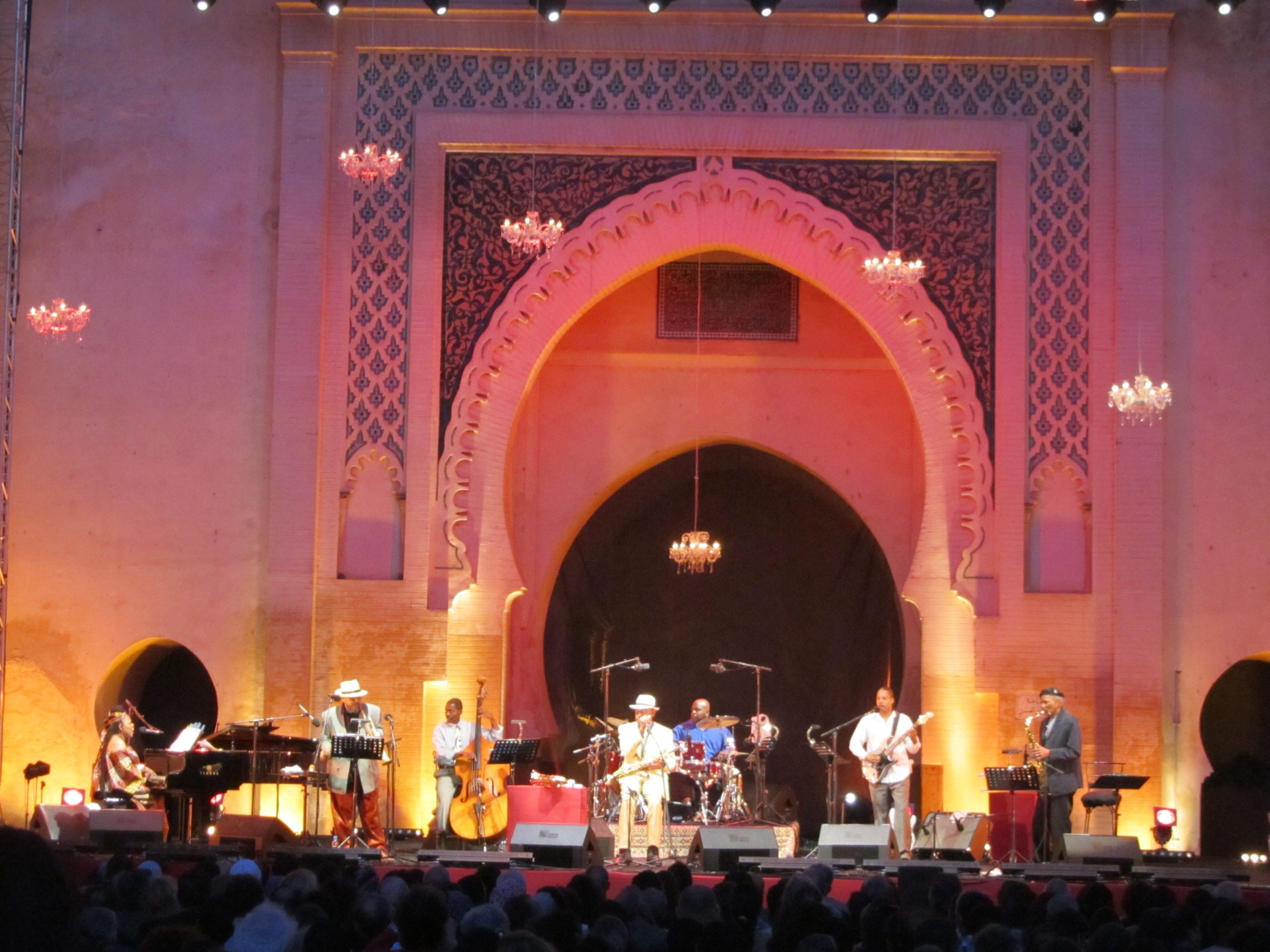
The Fes Festival of World Sacred Music unfolds inside a city already built for echo, procession, and late light. One night may center on a formal concert at Bab Al Makina, while the hours around it spill into the Bab Boujloud area, the Fez medina streets and squares, and smaller cultural events across central Fez.

What makes it feel different from a standard music festival is the setting: old gates, narrow lanes, evening crowds in djellabas and dress clothes, café tables filling before performances, and a program that places sacred and devotional music in a city with its own deep religious and intellectual history.

The deeper journey moves between sound and setting: a devotional voice gains different meaning in a palace courtyard, a garden, or the narrow streets of the medina. Listening becomes a way of reading the old city without pretending every tradition shares the same theology.

Why This Festival Is Special

A voice rising after dusk in a palace courtyard does more than decorate the old city. Stone controls resonance, the medina shapes arrival, and centuries of scholarship and spiritual practice place each performance inside a living argument about how traditions meet. The journey through narrowing lanes ensures that the audience reaches the music already aware that no concert space is culturally neutral.

The programme’s breadth could become a pageant of generalized spirituality. Its finest curation resists that flattening. A Sufi hadra, Christian choral work, South Asian devotional song, or contemporary commission retains its own discipline and history while sharing a festival theme. Exchange becomes meaningful because difference remains audible and listeners must cross it with attention.

Fez adds an intellectual and sensory density that changes the proposition. Calls to prayer continue beyond ticketed stages; artisans work along routes to evening venues; residents negotiate ordinary life around an international gathering. Beauty therefore becomes an invitation to curiosity and humility. Harmony is not presented as an easy mood, but as patient work carried by particular voices in a city that understands the weight of inherited knowledge.

Festival Experience

What to Expect

Late afternoon is when the city starts leaning toward the night program: people gather in the Bab Boujloud area, cafés fill, and the medina routes begin to thicken with ticket holders and curious locals. Around sunset, the walk toward Bab Al Makina becomes part of the experience, with security checks, slow-moving lanes, and a noticeable rise in anticipation before the headline concerts begin.

After dark, the main performances carry the emotional weight of the festival, and when they end the night does not shut off at once; people drift back through the Fez medina streets and squares, stop for tea or sweets, and linger in the old city well past the final applause. Some days add talks or smaller daytime events, but the strongest pulse comes in the evening, especially over the opening weekend.

Festival Highlights

  • Hear a Sufi ensemble in a setting shaped by courtyard acoustics
  • Attend one tradition previously unfamiliar and read its context first
  • Walk through a medina gate while the evening audience gathers
  • Pair a headline concert with a smaller, more intimate programme
  • Join a forum or conversation that treats dialogue as serious work
  • End one night on a terrace where the city remains audible beyond the stage

Getting There & Around

Where It Happens

Bab Al Makina hosts the large open-air evenings against the walls of the royal palace. Other concerts use Jnan Sbil, Dar Batha, intimate riads, and spaces across the old city according to the programme. Each setting changes sightlines, acoustics, dress expectations, and arrival time.

Bab Boujloud serves as a practical threshold into Fes el-Bali, but a venue described as nearby may still require a slow walk through dense lanes. Match every ticket to its exact entrance rather than treating the medina as one festival compound.

Getting Around

Petit taxis connect Ville Nouvelle, Batha, and medina gates, while walking is essential inside Fes el-Bali. Save venue names in French and Arabic, allow extra time for security, and hire a reputable local guide for the first deep-medina route rather than relying on a fragile phone signal.

Visitor Guide

Festival Food & Drink

Festival nights in Fez naturally turn into tea stops, pastry breaks, and late dinners before or after concerts, especially around the Bab Boujloud area and on the edges of the medina. Expect a mix of quick sweets and more substantial meals that fit the rhythm of a long evening out, with mint tea, savory pastries, and slow-cooked dishes making more sense here than grab-and-go festival food.

Must Try:
• tagine
• mint tea
• briouats
• chebakia
• sellou

Budget & Costs

Budget: choose a simple riad, public transport, and selected concerts.

Mid-Range: add a Batha hotel, several reserved performances, and guided medina time.

Higher Spend: book premium courtyard seating, private transfers, and a longer Fès-Meknès itinerary.

Tips for First-Time Visitors

Pick one or two Bab Al Makina nights as your fixed points, then leave room for whatever smaller program appears around them. Keep an offline map for the medina, because the return after dark can feel confusing even when your hotel is not far away.

Dress for a long evening rather than a quick concert stop, and carry water for the daytime hours if you are moving between venues before sunset. If a performance matters to you, do not cut the timing close: the approach to the old city gates slows down before major concerts.

Safety

The main issues here are not dramatic, but they are real: pickpockets around crowded gates and squares, confusion in the medina after dark, and slow taxi access near Bab Al Makina before and after major concerts. Keep your phone charged, carry only what you need for the evening, and set a clear meeting point if you are not walking alone. Daytime heat can catch up with you if you spend hours moving between venues, so water and a slower pace matter more than people expect.

Cultural Significance

The event plays an important role in Fez’s cultural calendar and helps present local identity through performance, venue culture, and the visitors it draws each year.

Founded in 1994 after the Gulf War, the gathering uses sacred music as a form of dialogue across religious and cultural traditions. Its ambition is strongest when differences remain audible—Sufi, Christian, Jewish, Hindu, Buddhist, and other expressions meeting without being flattened into generic spirituality.

Plan Your Journey

When to Go

The listed 2027 festival window runs May 28–June 5. Confirm the final concert calendar before booking, since individual venues and separately ticketed programmes may be announced in stages.

Opening and closing nights carry ceremonial weight, while midweek performances often provide better access to intimate rooms. Late spring brings warm afternoons and cooler evenings; medina travel always requires more time than the map suggests.

Where to Stay

Fes el-Bali offers immersion near medina venues, but lanes are steep, vehicle-free, and confusing after dark. Batha balances riad atmosphere with easier taxi access; Ville Nouvelle provides larger hotels and straightforward roads. Ask the property to arrange a meeting point when luggage cannot reach the door by car.

Bottom Line & Key Days

Bottom Line

Choose concerts by setting as well as artist, leave generous time for medina movement, and approach devotional traditions as particular practices rather than variations on a single spiritual mood. The city will complicate the programme in productive ways: prayer, commerce, craft, tourism, and ordinary neighborhood life continue beyond every ticketed performance.

The festival reaches its earned close when different traditions have shared a night without losing their edges. What remains is not a claim that music dissolves every difference, but a more attentive memory of distinct voices meeting inside a place old enough to understand both the promise and the difficulty of coexistence.

Key Days

Opening Weekend — Learn the main venues and begin with a large ceremonial concert.

Midweek — Pair an intimate performance with daytime medina exploration.

Forum Day — Attend a discussion that supplies context beyond the stage.

Closing Night — Return to the central theme with enough time for an unhurried departure.

Ready to Experience Fes Festival of World Sacred Music?

You've explored what makes this festival special. Now it's time to plan your trip. Compare flights, book your hotel, arrange transportation, and take care of your travel essentials—all in one place.

✈ Find Flights

Loading booking widget...

Booking is completed on Expedia in a new tab.

🏨 Find Hotels

Search places to stay

Powered by Booking.com

Booking is completed on Booking.com in a new tab.

Rail & Bus Travel

Compare train and coach routes for the journey.

Compare Routes

Things to Do

Discover tours and attractions before or after the festival.

Explore Experiences

eSIM Mobile Data

Stay connected abroad without traditional roaming charges.

Get an Airalo eSIM

Travel bookings are provided by our trusted partners. We may earn a commission when you book through these links, at no additional cost to you.

Independent Editorial Standards

Every Follow the Festivals guide is independently researched and regularly reviewed using official festival information, destination resources, and trusted travel references. We also welcome verified updates from festival organizers, destination marketing organizations, tourism partners, and local experts to help keep our guides accurate, current, and useful for travelers.

Represent this festival or have a verified update to share? We'd love to hear from you through our contact page.

Photo Credits