
Follow the Festivals

Gwangju Biennale

Gwangju Biennale

Gwangju, South Korea

2026-09-04 - 2026-11-29

Overview

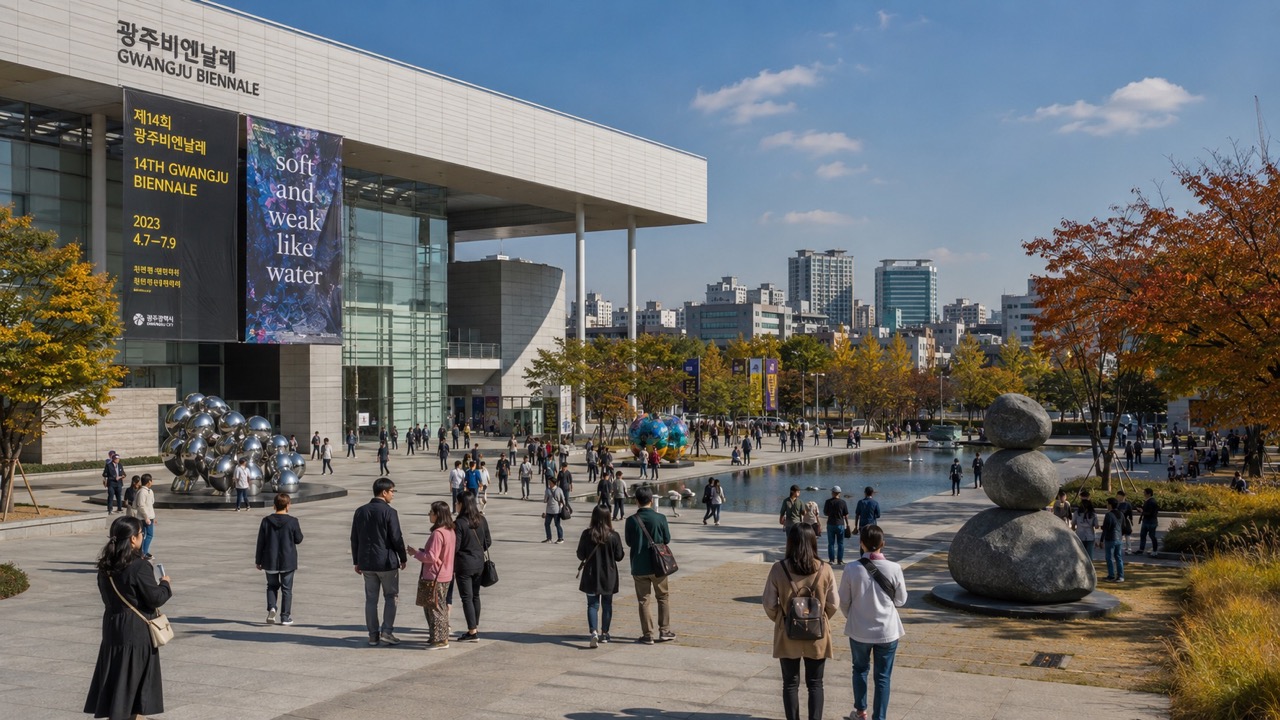
The Gwangju Biennale transforms Gwangju into one of Asia’s leading destinations for contemporary art, bringing together internationally renowned artists, emerging voices, and thought-provoking exhibitions that explore culture, history, identity, and social change. Centered around the Biennale Exhibition Hall and partner venues throughout the city, the event encourages visitors to experience Gwangju not simply as a gallery destination, but as a place where contemporary art and civic history continually inform one another.

Unlike traditional art fairs, the Gwangju Biennale unfolds at a thoughtful pace. Visitors move between large-scale installations, multimedia exhibitions, public artworks, and cultural spaces while discovering how the city’s democratic history shapes the themes and conversations presented throughout each edition.

What to Expect

The Biennale is designed for exploration rather than speed. Visitors typically spend the morning and afternoon moving through major exhibition halls before continuing to partner venues, museums, and public art installations located across the city. Each exhibition presents its own themes, encouraging visitors to slow down, engage with the artwork, and reflect on the ideas being presented.

As the day progresses, galleries become busier with local residents, international visitors, students, and artists attending talks, guided tours, and special programs. Evenings often include cultural events, discussions, performances, or opportunities to experience Gwangju’s cafés and restaurants after a full day of exhibitions.

Why It's Special

Many contemporary art exhibitions present impressive collections. The Gwangju Biennale distinguishes itself by placing those works within a city whose modern history gives many of the exhibitions deeper meaning.

The experience extends beyond individual galleries. Visitors move between contemporary installations, civic spaces, museums, and neighborhoods that have shaped South Korea’s democratic story, creating an environment where art feels connected to place rather than simply displayed within it.

That relationship between Gwangju and the Biennale gives the festival an identity that cannot easily be recreated elsewhere, making it one of the world’s most distinctive international art exhibitions.

Explore guided experiences.

Food & Drink

Gwangju is widely recognized for having some of South Korea’s finest regional cuisine, making dining an important part of the Biennale experience. Visitors can enjoy traditional Korean meals between exhibitions or explore bustling markets and neighborhood restaurants after spending the day viewing contemporary art.

Must Try:

  • Korean Set Meals (Baekban)
  • Bibimbap
  • Market Street Food
  • Korean BBQ
  • Makgeolli or Traditional Korean Tea
Discover local food tours.

Festival Highlights

  • International contemporary art exhibitions featuring leading artists from around the world.
  • Large-scale installations inside the Biennale Exhibition Hall.
  • Multimedia works exploring social, political, and cultural themes.
  • Artist talks, educational programs, and public discussions.
  • Exhibitions extending into museums, galleries, and cultural spaces throughout Gwangju.
  • Opportunities to experience one of Asia’s most respected contemporary art events.

Where It Happens

The Biennale centers on the Gwangju Biennale Exhibition Hall, with additional exhibitions, museums, galleries, cultural institutions, and public spaces participating throughout the city depending on each edition’s curatorial program. Many visitors combine the Biennale with stops at nearby museums and sites connected to Gwangju’s modern history.

Because several venues are linked through public transportation, exploring different neighborhoods becomes an important part of the overall experience.

Find hotels near these areas.
Check trains & transport routes.

Getting Around

Gwangju’s efficient subway and bus network makes reaching the Biennale and surrounding venues straightforward. Most visitors combine public transportation with short walks between museums, galleries, cafés, and cultural sites.

Taxi services are readily available, although travel times can increase during weekends or major Biennale events. Allow additional time when moving between multiple venues in a single day.

Tips for First Timers

Review the official exhibition program before arriving, as installations, performances, and talks may be scheduled across different venues throughout the city. Comfortable walking shoes are recommended since most visitors spend several hours exploring galleries and exhibition spaces.

Take your time with the larger installations rather than trying to see everything in one visit. If your schedule allows, spread the Biennale across multiple days to appreciate both the exhibitions and Gwangju itself.

Compare Rental Cars
Reserve an Airport Taxi

Cultural Significance

Founded in 1995, the Gwangju Biennale is one of Asia’s oldest and most respected international contemporary art exhibitions. Its origins are closely connected to Gwangju’s legacy as a symbol of democracy following the 1980 Gwangju Uprising, giving the Biennale a unique identity where artistic expression and civic history remain closely intertwined.

Each edition explores themes that encourage dialogue about society, politics, culture, and global issues, reinforcing Gwangju’s reputation as a city where contemporary art serves as a platform for reflection, creativity, and international exchange.

Plan Your Visit

Budget

The Gwangju Biennale offers excellent value compared with many major international art festivals. Accommodation, transportation, and dining remain relatively affordable, particularly when booked in advance, while public transportation keeps travel costs low throughout the city.

Visitors staying several days can comfortably combine Biennale exhibitions with museums, local markets, and cultural attractions without requiring an exceptionally large travel budget.

Safety

Gwangju is considered one of South Korea’s safest cities for international visitors. Standard travel precautions are generally sufficient while exploring galleries, public transportation, and busy commercial districts.

During popular exhibition periods, expect larger crowds at the Biennale Exhibition Hall and major installations. Keep personal belongings secure, follow venue guidelines, and allow extra time when attending artist talks or special events with limited seating.

Get travel insurance for your trip.

Plan Your Trip

Book around the best days before prices and availability tighten.

When to Go

The 2026 Gwangju Biennale runs from September 4 through November 29, giving visitors nearly three months to experience the exhibition. Early September offers the excitement of opening events and the fullest international attendance, while October provides excellent conditions with comfortable weather and slightly lighter visitor numbers. November often offers a quieter viewing experience while still presenting the complete exhibition program.

Weekdays generally provide a more relaxed atmosphere than weekends, allowing additional time to appreciate the larger installations and multimedia works.

Where to Stay

Staying in central Gwangju provides the easiest access to the Biennale Exhibition Hall, museums, restaurants, and public transportation. Hotels near subway stations or major bus routes simplify travel between exhibition venues while also placing visitors close to cafés, shopping districts, and evening dining options.

Visitors planning several days at the Biennale may also enjoy accommodations near the exhibition district itself, reducing travel time while making it easy to revisit favorite installations throughout the event.

Search for Flights

Loading booking widget...

Booking is completed on Expedia in a new tab.

Powered by Expedia. Affiliate link. We may earn a commission at no extra cost to you.

Compare trains & buses.

Search Places to Stay

Search places to stay

Powered by Booking.com

Booking is completed on Booking.com in a new tab.

Powered by Expedia. Affiliate link. We may earn a commission at no extra cost to you.

Bottom Line

The Gwangju Biennale offers an exceptional opportunity to experience world-class contemporary art while discovering one of South Korea’s most culturally significant cities. Its combination of ambitious exhibitions, thoughtful curation, and powerful historical context creates a festival that rewards curiosity as much as artistic appreciation.

For travelers interested in contemporary culture, architecture, museums, and meaningful international exhibitions, the Gwangju Biennale remains one of Asia’s premier cultural events.

Key Days

Opening Week: International artists, curators, and visitors gather as new exhibitions debut and the city’s cultural calendar comes to life.

September–October: The exhibition reaches its fullest rhythm with artist talks, educational programs, and the largest visitor numbers.

Final Weeks: A quieter atmosphere offers visitors more space to experience the complete exhibition before the Biennale concludes.