
Follow the Festivals

Paris Motor Show

Paris Motor Show

Paris, France

2026-10-12 - 2026-10-18

The Story

Festival Overview

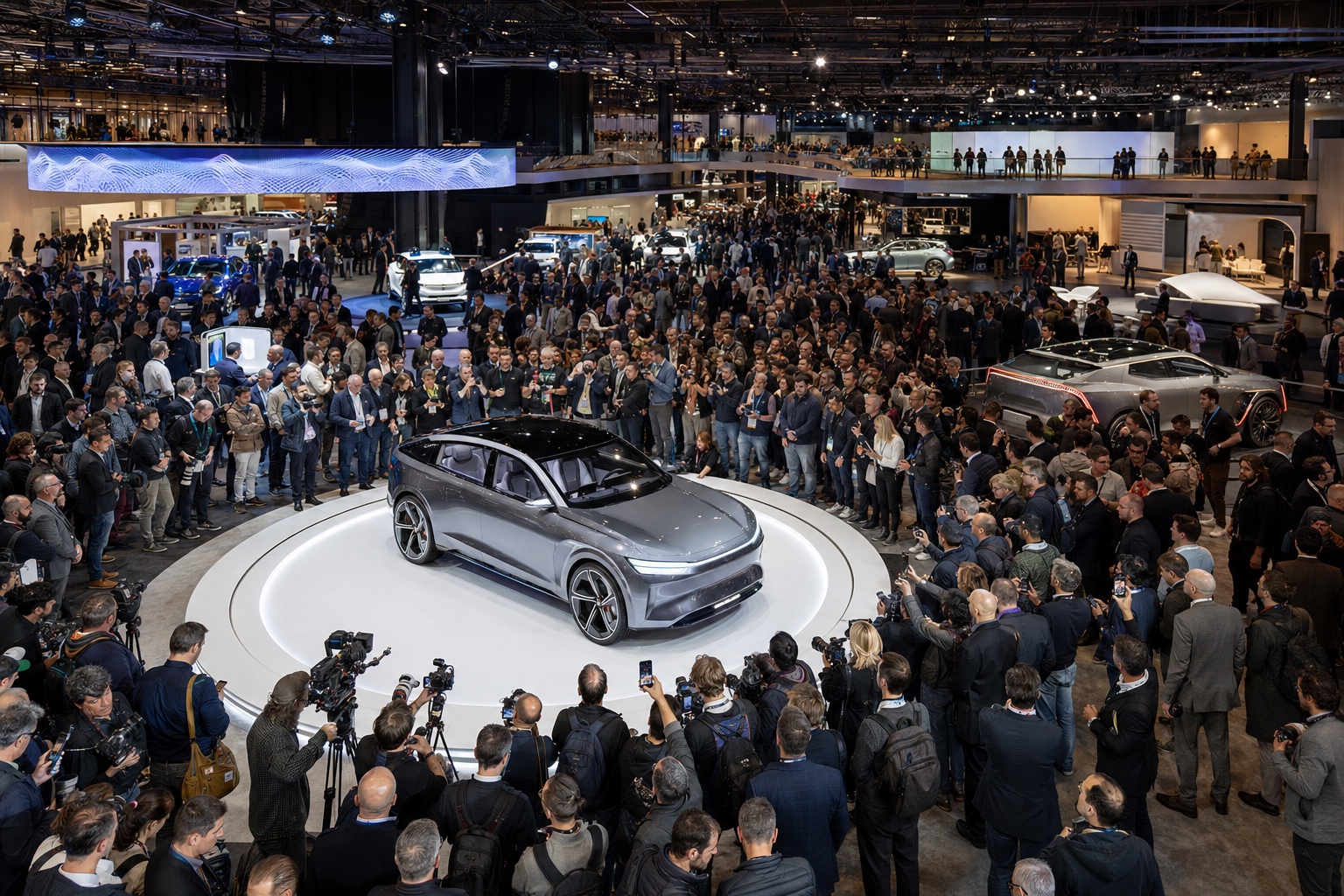
Paris has long treated the automobile as both industrial object and designed spectacle, and the Mondial de l’Auto brings that relationship into the exhibition halls at Porte de Versailles. New production models, electric mobility, concept vehicles, heritage displays, suppliers, and public demonstrations compete for attention beneath one vast roof.

The show is commercially serious but highly visual: visitors compare interiors, study engineering changes, and watch manufacturers argue for different versions of the road ahead. Outside the halls, the capital supplies a broader design context through architecture, fashion, museums, and an extensive transit system that makes a car unnecessary. The most rewarding trip reads the motor show as a debate about technology, mobility, and French industrial culture rather than a showroom enlarged for photographs.

Why This Festival Is Special

Paris offers something a conventional dealership or technology conference cannot: automotive history, mass public curiosity, industrial competition, and the future of mobility compressed into one exhibition complex inside a city actively reconsidering the car.

A route from a heritage model to an electric platform, followed by comparisons of rival interiors and a metro ride through streets shaped by different transport priorities, makes that tension tangible. That tension makes the show distinctive. It is chosen not merely for new vehicles, but for the chance to examine what mobility means when design ambition meets a real European capital.

Festival Experience

What to Expect

Morning begins with security, orientation, and the quietest access to major manufacturer displays. By midday, popular launches, concept cars, simulators, and vehicles open for inspection create localized queues, while presentations can temporarily block neighboring aisles. The show mixes polished brand theater with practical comparison: seating positions, charging systems, materials, safety technology, commercial vehicles, and mobility services all invite closer attention.

Food areas become busiest at conventional lunch hours. Late afternoon brings heavier public traffic and tired feet, making a final heritage or design section more rewarding than another crowded headline stand. Expect visual overload and plan deliberate pauses.

Festival Highlights

  • Major manufacturers presenting production cars and future mobility concepts.
  • Electric-vehicle platforms revealing competing approaches to range and charging.
  • Heritage displays connecting modern design to French automotive history.
  • Interior access allowing direct comparison of ergonomics, materials, and space.
  • Technical presentations turning engineering claims into understandable demonstrations.
  • Porte de Versailles functioning as a temporary city of mobility and design.

Getting There & Around

Where It Happens

Paris Expo Porte de Versailles anchors the show on the southern edge of the city. Multiple pavilions hold manufacturer stands, technology exhibits, heritage vehicles, demonstrations, retail areas, and food service, so the day involves substantial indoor walking rather than one continuous hall.

Porte de Versailles metro and tram stops handle most arrivals, while nearby streets remain busy with exhibitors and service traffic. Learn the pavilion plan before entering and move from the farthest priority hall toward the exit. That sequence prevents repeated crossings of the exhibition complex.

Getting Around

Metro line twelve, tram lines serving Porte de Versailles, and walking are the primary methods; driving to a major motor show is the least practical choice. Arrive before the commuter-and-visitor overlap, keep a second station or tram option in mind, and expect packed platforms near closing.

Inside the complex, follow a one-direction pavilion route and place the heaviest brochures or purchases near the end. Travelers staying in Montparnasse or the fifteenth can return directly, while central hotels should avoid unnecessary transfers through the busiest hubs. After a headline presentation, wait several minutes before moving between halls so the immediate aisle surge can clear.

Visitor Guide

Festival Food & Drink

Exhibition food should protect the day rather than consume it. Eat breakfast near the hotel, carry water, and use an early or late lunch to avoid the busiest counters inside Porte de Versailles. Pavilion cafés are convenient but rarely the reason to linger; the fifteenth arrondissement offers better bakeries, brasseries, and neighborhood restaurants once the halls close.

A proper Paris meal makes the strongest contrast with a day of polished machinery. Choose a nearby table where conversation can replace screen glare and standing.

Must Try
• Jambon-beurre — Ham and butter inside a crisp baguette, simple enough for a quick lunch.
• Croque-monsieur — Toasted ham-and-cheese sandwich finished with béchamel or grated cheese.
• Steak-frites — Seared beef served with crisp fries in a classic brasserie pairing.
• Paris-Brest — Choux pastry filled with praline cream and shaped like a wheel.
• Café crème — Espresso softened with hot milk for a measured morning start.

Budget & Costs

Admission and central lodging form the fixed costs, while food, merchandise, and repeated cross-city transport add smaller amounts. A hotel in the fifteenth may cost more than an outer suburb but saves time and crowded transfers across several show days.

Public transit keeps movement predictable; taxis near closing are slower and more expensive without offering a clear advantage. Buyers should separate genuine research from impulse accessories, and families should set a merchandise limit before entering. Reserve part of the budget for one Paris museum or design experience beyond the show, which gives the automotive displays a wider cultural frame.

Tips for First-Time Visitors

List five priority manufacturers or themes before arrival and locate their pavilions. Begin with the farthest or most important display, then leave open time for unexpected engineering, suppliers, and heritage exhibits. Wear quiet, supportive shoes, carry a compact battery, and photograph model labels before details blur together.

Ask before touching prototype surfaces and never block an open vehicle while recording video. Sales staff can explain production specifications, but concept-car claims deserve curiosity rather than certainty. Finish before exhaustion; one thoughtful comparison is more useful than rushing past every badge.

Safety

Crowded aisles, escalators, open vehicles, and fatigue create the main risks. Keep bags close, supervise children near moving demonstrations, and do not step backward into traffic while photographing a car. Follow staff directions around prototypes, barriers, and test areas.

Long hours on hard floors require water, food, and seated breaks before concentration fades. On packed metro platforms, secure phones and allow one train to pass rather than forcing entry. The exhibition is controlled, but the largest arrival and departure waves still demand the same awareness as any major Paris event.

Cultural Significance

The Paris Motor Show reflects France’s place in automotive manufacturing, industrial design, public policy, and debates over urban mobility. It brings established marques, new entrants, suppliers, engineers, media, and consumers into direct comparison at a moment when electrification and changing city streets challenge the private car’s role.

Paris sharpens that conversation because its own transit, cycling, and public-space policies sit outside the exhibition doors. The show matters as a public forum where technological optimism meets practical questions about cost, infrastructure, heritage, and everyday movement.

Plan Your Journey

When to Go

A weekday morning after the opening rush offers the strongest balance of complete displays, manageable aisles, and enough time to speak with exhibitors. Opening weekend and the final days bring extra energy but also the densest queues, while late afternoons fill with after-work visitors and families.

One full day is sufficient for a focused buyer or enthusiast; two days are worthwhile when heritage, mobility technology, and several manufacturer halls all matter. Paris gives the recommendation its logic: use the first day inside Porte de Versailles, then spend the second connecting automotive design to the city’s museums and streets instead of repeating every stand.

Where to Stay

The fifteenth arrondissement is the most practical base, placing Porte de Versailles within a short tram, metro, or walk and offering a residential evening beyond the halls. Montparnasse provides broader rail links, restaurants, and straightforward transit while retaining easier access than the historic center.

Saint-Germain or the central arrondissements suit first-time visitors prioritizing Paris after the show, but every exhibition day begins with a longer, more crowded transfer. Choose the fifteenth for efficiency, Montparnasse for transport balance, or the center for a broader city break. A direct route on one line matters more than a prestigious address requiring several changes at rush hour.

Bottom Line & Key Days

Bottom Line

The lasting Paris Motor Show moment is not necessarily the brightest concept car. It may be the contrast between a silent electric platform inside Porte de Versailles and the metro carrying thousands home outside.

Give the machinery close attention, but let Paris supply the argument around it. The journey earns its place when the show becomes more than product display—a clear, crowded, visually compelling conversation about how people once moved, how they move now, and what comes next.

Key Days

Paris Arrival

Settle near a direct transit route and map the exhibition pavilions.

Priority Morning

Enter early for the manufacturers, technologies, and vehicles that matter most.

Design Afternoon

Shift toward suppliers, interiors, heritage, and less congested technical displays.

Second Perspective

Use another day for remaining halls or a Paris design and transport museum.

City Departure

Leave the show through public transit with the mobility debate still visible outside.

Ready to Experience Paris Motor Show?

You've explored what makes this festival special. Now it's time to plan your trip. Compare flights, book your hotel, arrange transportation, and take care of your travel essentials—all in one place.

✈ Find Flights

Loading booking widget...

Booking is completed on Expedia in a new tab.

🏨 Find Hotels

Search places to stay

Powered by Booking.com

Booking is completed on Booking.com in a new tab.

Rail & Bus Travel

Compare train and coach routes for the journey.

Compare Routes

Things to Do

Discover tours and attractions before or after the festival.

Explore Experiences

eSIM Mobile Data

Stay connected abroad without traditional roaming charges.

Get an Airalo eSIM

Travel bookings are provided by our trusted partners. We may earn a commission when you book through these links, at no additional cost to you.

Independent Editorial Standards

Every Follow the Festivals guide is independently researched and regularly reviewed using official festival information, destination resources, and trusted travel references. We also welcome verified updates from festival organizers, destination marketing organizations, tourism partners, and local experts to help keep our guides accurate, current, and useful for travelers.

Represent this festival or have a verified update to share? We'd love to hear from you through our contact page.